
We are a supplier, so read this with that in mind. But we have also watched enough cafés open, struggle and switch suppliers to know what actually matters, and it is rarely the headline price per kilo. Here is the checklist we would use if we were opening a shop in Sweden or elsewhere in the Nordics.

EU food compliance and labeling
Everything you sell must meet EU food law, and the paperwork is yours to show when the kommun inspector visits. That means ingredient lists and allergen information in a language you can use, EU-compliant additives, and traceability back to the producer. When you buy from a distributor inside the EU, the goods have already been through import control and the labeling burden sits largely with the supplier. If you import directly from Asia yourself, you become the importer of record, which means customs, import VAT, and full responsibility for compliance. Some products that are normal in Taiwan are simply not permitted in the EU, and finding that out at a border inspection is expensive.
Delivery time and freight
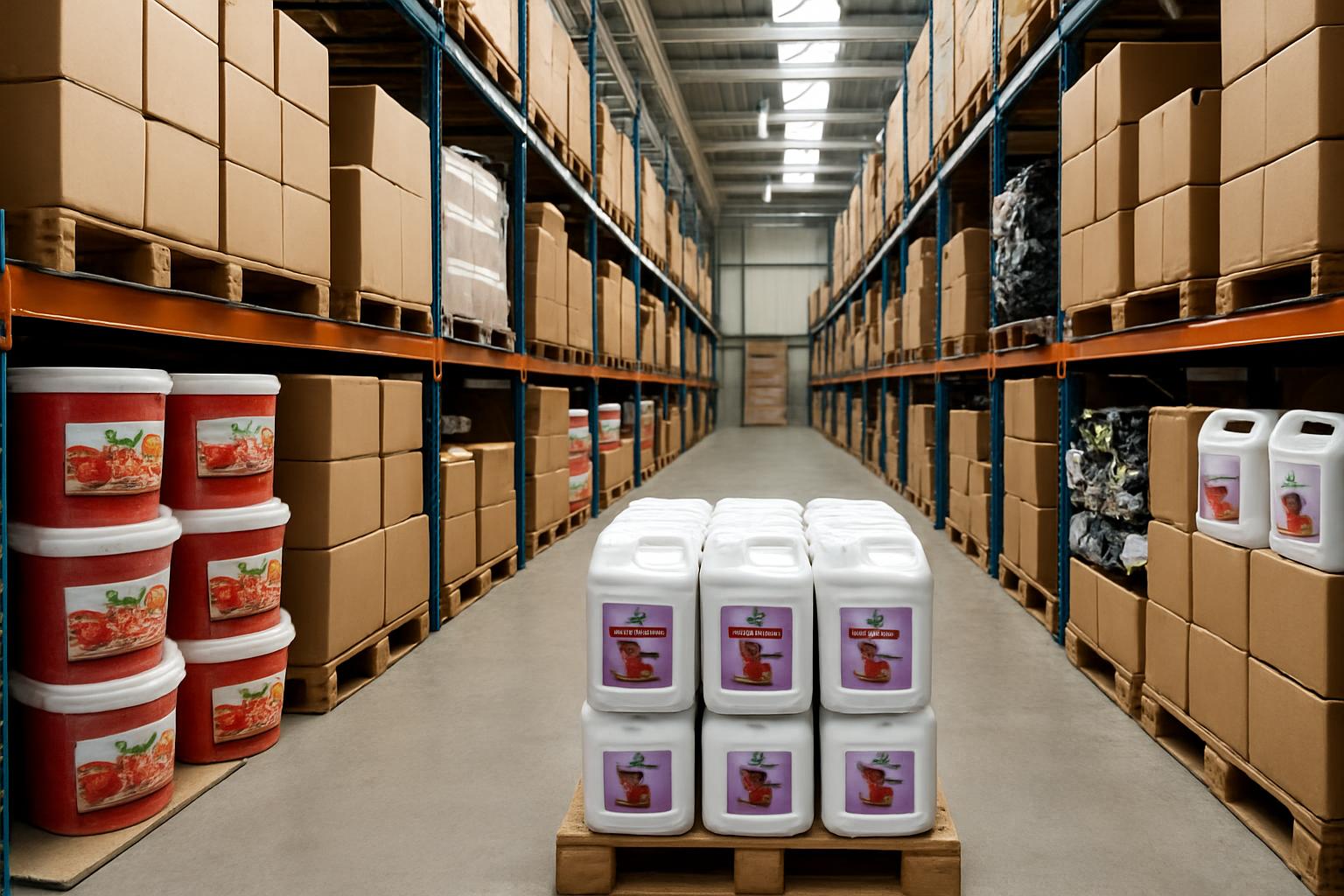
Sea freight from Taiwan takes 6 to 8 weeks door to door, and air freight is too expensive for syrup and tapioca. That is fine for a planned container order and useless when you run out of brown sugar syrup on a sunny Thursday. A supplier with stock inside the Nordics can get you a pallet in days. We hold stock in Malmö and deliver across Sweden and the rest of the Nordics, which in practice means most orders are on your counter within a week. Whatever supplier you choose, ask where the stock physically sits, not where the head office is.
Minimum order quantities
Importing directly usually means a minimum of a container or a large groupage shipment, which is 100 000 kr or more tied up in stock before you have sold a single cup. Distributor MOQs are far smaller. Our Possmei price list works on roughly 20 cartons per order, which for most shops is a few weeks of stock rather than half a year of it. Smaller, more frequent orders also mean fresher tapioca and less money sitting on shelves.
Price stability
Spot-buying from whoever is cheapest this month works until freight rates jump or a harvest is poor. A distributor with published prices gives you a stable cost base to build your menu pricing on. Our price lists are public on the site, including the Boba4T range, so you can calculate your cost per cup before you ever contact us. Ask any supplier how often prices changed in the last year, and whether existing customers were warned first.
One supplier for ingredients and equipment
When your sealing machine and your sealing film come from the same place, they fit each other, and there is one phone number when something jams. Split purchasing across five webshops and you will spend hours matching film widths to cup rims and chasing spare parts. It is not a dealbreaker to mix suppliers, but for a first shop, fewer moving parts is worth a few kronor per carton.

Training and recipes
A pallet of syrup is not a menu. Ask whether recipes, brewing parameters and staff training are included, because working them out yourself takes months of waste. We supply recipes and menu support with our ranges, built on how Boba4T shops in Germany have run since 2005, and our Menu Recipes section on the site is a starting point you can use before your first order.
The honest trade-offs
Direct import from Asia gives the lowest unit price at volume. If you run five shops and can plan six months ahead, it can make sense. For one shop, the cash tied up, the compliance risk and the six-week lead time usually eat the saving. A Nordic distributor costs a little more per carton and removes most of that risk. That is the trade, plainly stated. Whichever way you go, get it in writing: lead times, MOQ, and who is responsible when a shipment is rejected at control.
If you want to compare us against anyone else, the numbers are on kottelab.com and we will answer questions about lead times and freight straight, including when the answer is that someone else fits your case better.